The Hidden Workforce: Inclusion Beyond Diversity
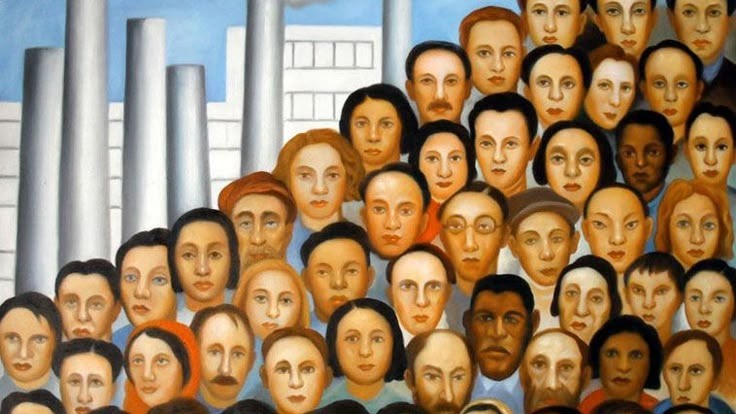
For decades, the global economy has relied on a silent force that keeps industries running while remaining largely unseen. Informal workers, refugees, neurodivergent professionals, women over 50, and rural communities make up what experts call the hidden workforce, a network of people whose potential is immense, yet often overlooked.
As automation, demographic shifts, and migration reshape the world of work, a new question arises: how can organizations recognize and integrate this untapped talent into their growth strategy?
🌍 A Global Reality
According to the International Labour Organization, about 60% of the global workforce operates in informal employment — people who sustain key sectors such as agriculture, construction, and services without access to social protection or benefits.
Migrants and refugees, often facing legal and cultural barriers, contribute around US$ 6.7 trillion to global GDP each year. Meanwhile, neurodivergent individuals, who represent nearly 20% of the world’s population, could add another US$ 1 trillion annually to the economy if fully included.
Even traditional and rural communities play a critical role: in regions such as the Amazon, the bioeconomy linked to these populations could generate US$ 40 billion per year by 2040.
These figures reveal not just an issue of fairness, but a vast economic opportunity waiting to be realized.
📈 Shifting Labor Dynamics
By 2030, it is estimated that 92 million jobs will be replaced by automation, while 170 million new roles will emerge in technology, logistics, education, and care. This transformation exposes a growing imbalance: advanced economies face talent shortages while millions remain excluded from formal employment.
Bridging this gap requires inclusive hiring, continuous re-skilling, and technology that connects invisible talent to real opportunities.
💼 Inclusion as Strategy
Organizations that go beyond traditional diversity metrics and actively integrate underrepresented groups are building stronger, more resilient workforces. They report higher innovation, better problem-solving, and improved employee retention.
Inclusion is no longer a program or initiative. It is a lens through which sustainable growth is built.
🤝 How Skillocity Supports This Shift
At Skillocity, we partner with organizations to turn inclusion into measurable performance:
- Human Capital & ESG Integration: Aligning social equity with corporate strategy and governance.
- Inclusive Leadership & Culture Development: Fostering environments where diversity translates into collaboration and performance.
- Upskilling and Workforce Transformation: Empowering employees and communities with the skills to thrive in a changing world.
Our approach helps companies expand their definition of talent, unlocking innovation and resilience across every level of the organization.
The hidden workforce is shaping industries quietly, every day. Recognizing its value is not only an act of inclusion, but a strategy for future competitiveness.



Leave a Reply